March 2026

The Hatch Act Explained: What Government Employees Can And Can’t Do
The Hatch Act, passed in 1939, aims to eliminate corrupt practices in national elections.

How The Freedom Of Information Act (FOIA) Works For Regular Citizens
Any person can file a Freedom of Information Act (FOIA) request, whether or not they are a US citizen.

How Judicial Appointments Work: From Nomination To Confirmation
To become a Supreme Court justice, an individual must first be nominated by the president and then confirmed by the Senate.

‘Quiet Quitting’ Vs ‘Quiet Thriving’ In 2026: Pros And Cons
Quiet thriving flips the script. Instead of withdrawing, employees start reshaping their roles to feel more satisfied or accomplished.

How An IPO (Initial Public Offering) Works: From Private To Public
The process of making shares of a private company available to the general public through a fresh stock issuance is known as an initial public offering.
Why US Debt Ceiling Matters: A Simple Guide For Taxpayers
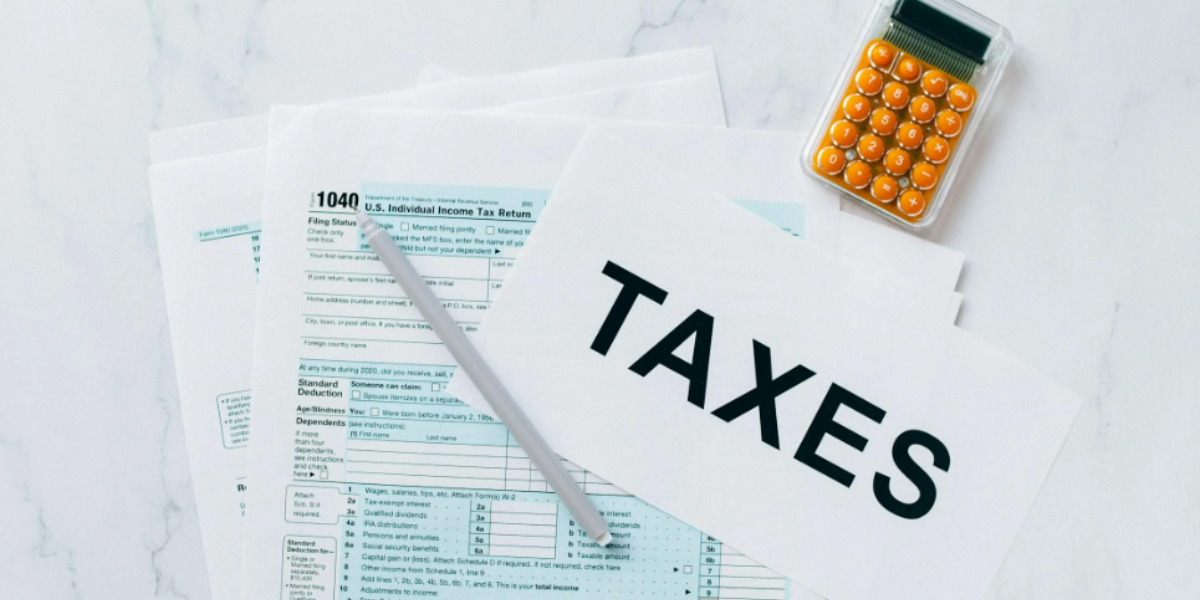
The US national debt is nearly $39 trillion, as per government data.

The Rise of ‘Buy Now, Pay Later’ (BNPL): Benefits and Debt Risks
Buy Now, Pay Later may seem like a good option, but it is important to look at the pros and cons before opting for it.

Understanding ‘Shrinkflation’: Why Products Are Getting Smaller
Shrinkflation is a term used to describe the phenomenon of various products becoming smaller in size without a corresponding change in price.
How A Bill Becomes A Law In 2026: A Simplified Flowchart
A member of Congress formally introduces the bill. In the House, the bill is placed in a box called the hopper, which signals to House clerks that it’s ready for consideration.