

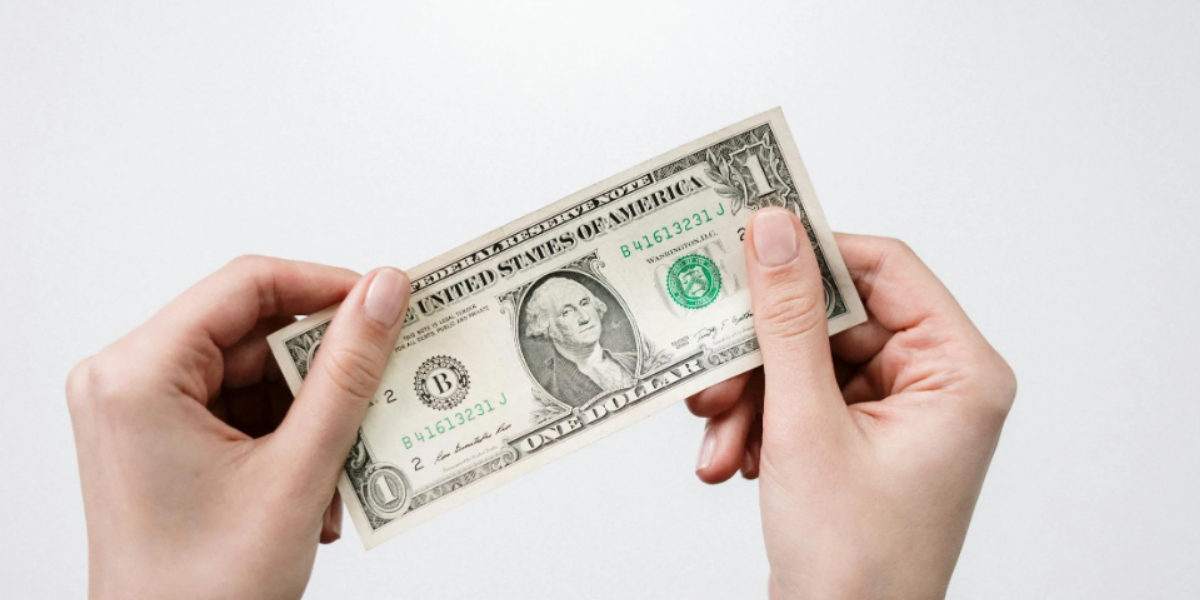
The US dollar isn’t just the money in your wallet, but is the backbone of global trade and finance. Once it was just another currency in the US among many, but over time it has grown far beyond its borders and has become the world’s reserve currency.
The US dollar has held its position as the world’s dominant reserve currency for over eight decades. But how did a currency from a young nation rise to dominate the world?
Was the US dollar always the world’s strongest currency?
The US dollar was not always the world’s strongest or dominant currency. But its rise to global prominence was gradual and shaped by historical events. As in the 18th and 19th centuries, the British pound sterling dominated global trade and it was a go-to currency for international transactions.
During World War I and World War II, the major impact was on Britain, and the British economy suffered immense losses. The country was forced to borrow heavily from the US, which had become the world’s largest creditor nation by the end of the war.
Rise of US dollar
Gradually in the 20th century, the US economy was booming, its gold reserves had swelled and the US dollar—backed by gold—emerged as a stable alternative to the pound. By the 1920s, the dollar began appearing in international trade and finance. But it was after World War II that its dominance was officially sealed.
After World War I and especially World War II, the US economy became the largest and most stable in the world. European economies were weakened, while the US had huge reserves of gold.
US Dollar: World’s Reserve Currency
In July 1944, after the chaos of World War II, leaders from 44 Allied countries met in a town called Bretton Woods in New Hampshire, USA. They wanted to create a new financial system that would make global trade and money more stable.
The main outcome was the Bretton Woods Agreement, which set up a system where other countries’ currencies were linked to the US dollar, and the US dollar was linked to gold at $35 per ounce. This meant that holding dollars was almost as safe as holding gold itself, so central banks around the world started keeping dollars as their main reserve money.
This conference also created the International Monetary Fund (IMF) and the World Bank, both designed to help countries manage money, trade, and rebuilding economies after the war. The US played the leading role, which helped make the dollar the most important currency in the world.
End of US Dollar as Gold Reserves
By the 1960s, around 60 percent of global reserves were held in dollars. Countries needed a safe place to keep their dollars, so they started investing in US Treasury securities.
During the Vietnam War, the US spent huge amounts of money to fund the military campaign and domestic programs like the Great Society. This flooded the global market with US dollars.
Countries holding dollars as reserves grew concerned about the value and stability of the dollar and started converting their dollars into gold. This high demand for gold forced President Nixon in 1971 to end the dollar’s link to gold, known as the Nixon Shock.
Floating Dollar
After the gold link ended, the dollar’s value started to float freely in global markets. Exchange rates were now set by supply and demand, not by gold. This gave the US more freedom to manage its economy.
Even without gold backing, the dollar remained the world’s main reserve currency. The US economy was still the largest and most stable, and global trade, especially oil and commodities, continued to use dollars. Countries kept holding dollars in reserves because it was safe and widely accepted.
Who decides US dollar’s worth?
The value of the dollar is determined by supply and demand in global foreign exchange markets. If people, businesses, and governments want more dollars for trade or investment, its value rises. If fewer people want dollars, its value falls.
The Federal Reserve plays a key role by controlling US monetary policy. They adjust interest rates, buy or sell government securities, and influence money supply. These actions indirectly affect the dollar’s strength.
Because the dollar is the world’s reserve currency, countries, banks, and investors hold it as a safe asset. Their buying and selling decisions also impact its value.
Can US dollar decline?
Even though it’s the world’s dominant currency, its value of the US dollar is not fixed and can fall for several reasons. A key factor is geopolitical tensions and trade disputes. Another reason is high government borrowing or large budget deficits. If the US takes on too much debt, the dollar’s value may decline.
The dollar can also weaken when the US economy slows down. During periods of low growth, high unemployment, or shrinking industrial output, the dollar can lose value as investors may move their money elsewhere.