

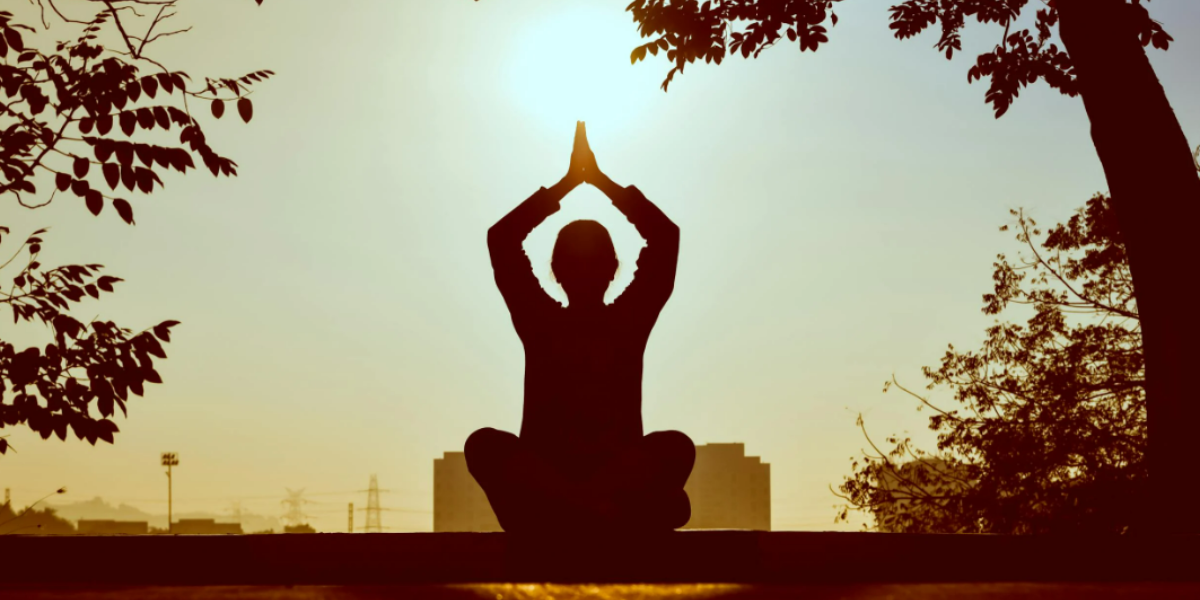
Meditation is one of the oldest practices known to humanity and it is still one of the most effective ways to feel relaxed. Every culture, ancient or modern, has its own version of meditation. Some treat it as a spiritual practice while others see it as a form of mindfulness. Though it differs in practice and style, its purpose remains the same: to find calm, focus and a sense of connection with ourselves and the world around us. Even with packed schedules, constant notifications and endless responsibilities, meditation offers something real, a pause. It helps quiet the noise, ease stress and improve focus.
There are six main styles of meditation that people practice today: spiritual, mindfulness, movement, focused, visualisation and chanting meditation. Each uses a different approach, but all lead to the same place, inner clarity and peace of mind.
Spiritual and Mindfulness Meditation
Spiritual meditation is one of the oldest forms of practice. Mindworks.org explains that it plays a central role in Eastern traditions such as Buddhism, Hinduism and Taoism, but it is also found in Judeo-Christian and other spiritual paths. For some, it is a silent prayer. For others, it is a quiet reflection or a time to reconnect with their beliefs.
Within religious settings, spiritual meditation helps deepen one’s bond with the divine. Outside those settings, it becomes more about self-discovery and compassion, learning to live with more kindness and awareness. It is often practiced in peaceful spaces, a corner of your home, a place of worship, or out in nature. Over time, it encourages balance, patience and an understanding of how to live with more empathy and purpose.
Mindfulness meditation, perhaps the most recognizable form today, traces back to the teachings of the Buddha. This technique is about paying attention to your thoughts, emotions and sensations as they arise, without trying to change or judge them. You focus on something simple, like your breath. When your mind drifts, you gently bring it back.
It sounds simple, but it takes practice. With time, mindfulness teaches you how to stay grounded in the present moment instead of getting lost in worries or distractions. Studies shared by Mindworks.org suggest that it can reduce anxiety, depression and stress, while improving focus and emotional resilience.
Movement Meditation
Meditation does not always mean sitting perfectly still with your eyes closed. Some people find stillness through movement. It might be a walking meditation, yoga, tai chi, or even something as ordinary as gardening or washing dishes.
The idea is to stay aware of your body as it moves, to feel the rhythm of your steps, your breath, or your surroundings. This type of meditation suits people who find sitting for long stretches difficult. It blends awareness with activity, helping you connect your body and mind in a simple, natural way.
Focused Meditation
Focused meditation takes a different route. It is about concentrating completely on one thing. Mindworks.org points out that this is the opposite of multitasking, something most of us do far too often. Whether you are listening to a sound, watching a candle flame, or drinking a cup of tea, the goal is to give that single moment your full attention.
For instance, in the traditional tea meditation, you put away every distraction – the phone, the to-do list – and focus only on drinking tea. You notice its warmth, the aroma, and how it feels in your hands. The moment your mind wanders, you bring it back. Over time, this builds discipline, clarity and a renewed appreciation for everyday experiences.
Visualization
Visualization meditation uses imagery to shape the mind. This could mean picturing a calm mountain lake, an open sky, or a scene that brings peace. In Tibetan Buddhist traditions, visualization can involve meditating on a mandala or a deity to cultivate qualities like compassion or wisdom.
Many people mistake visualization for daydreaming, but it is quite the opposite. It harnesses the same creative power the mind uses when imagining the past or future, only this time it is directed toward growth and awareness. It helps replace negative mental habits with calm and positive focus.
Chanting Meditation
Chanting meditation, meanwhile, works through sound. Found in Hindu, Buddhist, and even Western religious traditions, this form centers around repeating a word, phrase, or mantra. Chanting “Om” is one of the most recognized examples.
When practiced regularly, it creates a calm but alert state – like a steady hum of focus. Many people who meditate on a regular basis describe feeling lighter, more grounded and connected to qualities like compassion and confidence. It is helpful to learn from an experienced teacher to understand the rhythm, meaning and proper technique of the chants.
Bringing Meditation Into Everyday Life
There is no fixed way to find peace. Each person connects to meditation in their own way. For some, silence works best. For others, it is movement, sound, or a few steady breaths. The method does not matter much. What matters is to show up every day, even for a short while. Those few quiet minutes can change how the rest of the day feels. They slow things down. They remind you to stop running for a moment and just be.
Researchers keep finding proof of what older traditions already believe. Meditation helps you sleep better. It lowers stress, softens anxiety and even brings down blood pressure. It can ease pain too. The real change happens inside. It teaches awareness. You start noticing more and respond more carefully.
Meditation is not about leaving the world behind. It is about learning to live in it with more clarity and less rush. It is not complicated. It is steady, human and real. Just a few minutes to come back to yourself and the present moment.