

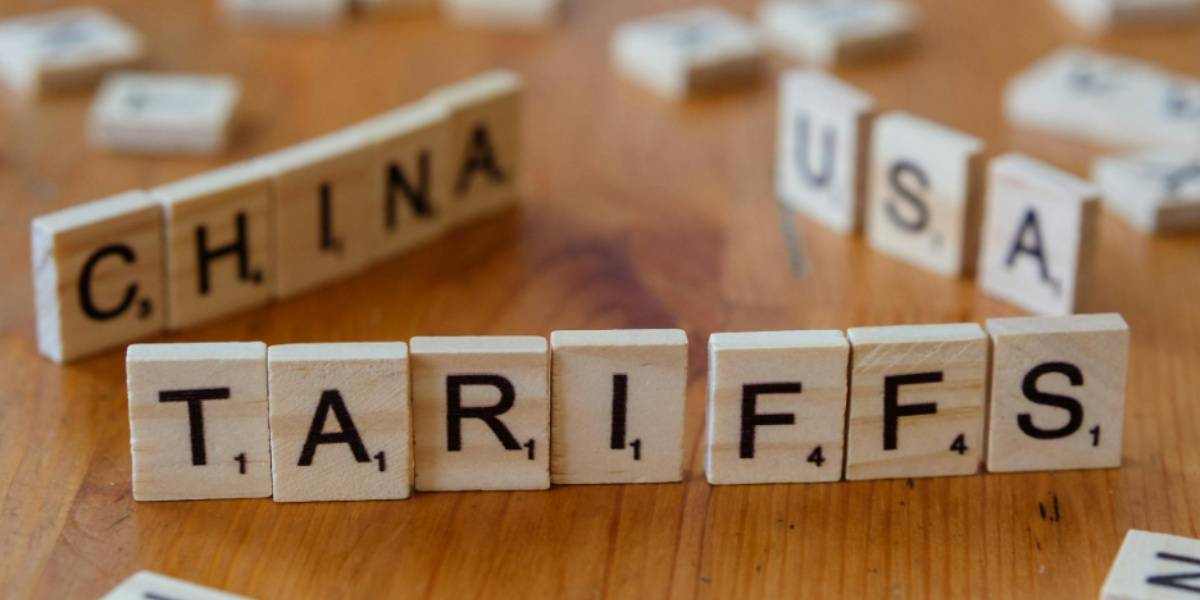
Trade has always been the backbone of economic growth, which allows countries to exchange goods and services. Every country is constantly looking for ways to protect its own industries, create job opportunities for its people and get a fair deal in global trade. And when these efforts clash, that’s when trade wars begin.
What is a trade war?
A trade war occurs when countries impose tariffs, or other restrictions on each other, either to gain an upper hand in negotiations or when they consider it an unfair practice. For instance, if a country feels that its industries are being impacted by cheaper foreign goods, then it might impose taxes on imported products to make them more expensive.
The aim of imposing tariffs is to encourage people to buy more domestic products and help local businesses thrive.
But trade wars are not always one-sided. When one country slaps on tariffs, the other responds with its own. This back-and-forth can escalate quickly, with each side trying to outdo the other.
Why do countries engage in trade wars?
There are several reasons why countries start trade wars and one of the most important ones is trade deficit which means when a country imports far more than it exports. For example, the US has long had a trade deficit with China, importing billions more in goods than it sells to China. To correct this imbalance, the US has imposed tariffs on Chinese goods.
Another reason is unfair trade practices when countries sometimes accuse each other of giving subsidies to domestic companies or making policies that make it hard for foreign businesses to compete.
In addition to this, the government imposes tariffs due to national security.
When countries depend too much on foreign countries for goods like aluminium, semiconductors or steel which are critical for defence and infrastructure, governments worry that relying too heavily on them could leave them vulnerable in a crisis.
And that is the reason they impose tariffs so it encourages domestic businesses.
How tariffs work?
When a country imposes a tariff on foreign goods, then the price of those goods rises. For example, if a smartphone imported from another country costs Rs 55,000 and a 20 percent tariff is added, the price jumps to Rs 66,000.
Lately, the US has introduced reciprocated tariffs, which means the price of tariffs may vary depending on how much duty the other country charges on US goods. The only reason to impose tariffs was to shield American manufacturers from foreign competition so that people focus on buying domestic products.
Retaliation
When one country imposes tariffs, the other usually responds the same. This can escalate quickly, creating a cycle that is hard to break. For example, during the US China trade war, each round of tariffs led to counter-tariffs that affected hundreds of products and billions of dollars in trade.
Countries can also impose quotas, stricter regulations, or other trade barriers.
Trade wars create both winners and losers. Domestic industries producing the taxed goods often benefit in the short term but developing countries, which rely on exports to bigger economies, are especially vulnerable.
Impact on the global economy
Tariffs make imported goods more expensive and consumers may face higher prices for everyday items like electronics, clothing, and food.
Modern manufacturing relies on parts and materials from multiple countries. Tariffs can make these imports more expensive or harder to get. A car made in Germany may use tyres from China and electronic chips from Taiwan. If tariffs make these parts expensive, the cost of the car rises.
Companies may face higher production costs and may also delay or reduce manufacturing that can have a significant effect on jobs and profits globally.
Trade wars will also lead to slower economic growth as fewer goods will be sold internationally and businesses may earn less revenue from exports. So, countries may experience slower GDP growth, which can affect jobs and overall economic stability.
Another reason is market volatility, as new tariffs often lead to stock market drops in both countries.
Trade wars can hit poorer countries harder. They often rely on exports to big economies and have less flexibility to absorb higher costs. This could lead to loss of income, jobs, and economic growth in these countries.
So, trade wars make products more expensive, slow down business and trade, shake financial markets, and create uncertainty for everyone and not just the countries directly involved.
Who resolves trade wars?
Organisations like the World Trade Organization (WTO) provide frameworks to resolve disputes between countries. Over 400 disputes have been brought to the WTO since it was set up in 1995