

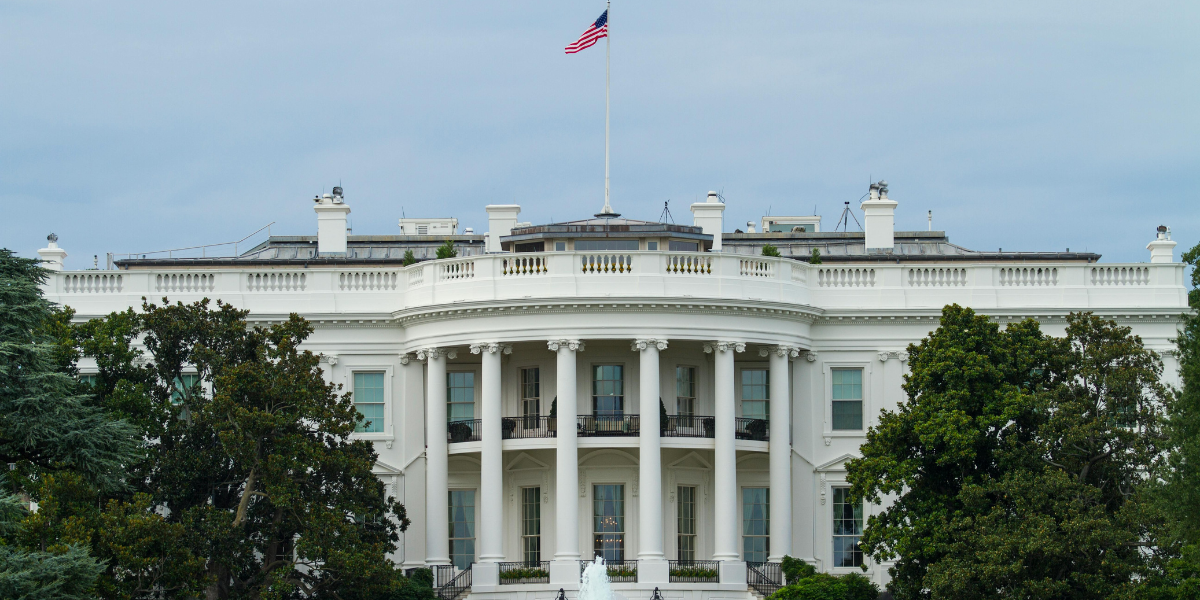
The United States has a highly influential democratic system shaped by political parties with different views on governance and national priorities. While the Democratic Party and the Republican Party dominate national politics, smaller parties like the Libertarian Party and the Green Party play a role by offering alternative perspectives in the political debate.
Overview Of The American Political System
The US political system operates largely under a two-party dominance, where Democrats and Republicans control most federal and state governments. The Constitution itself does not mention political parties, and the Founders often distrusted permanent party systems.
Democratic Party
The Democratic Party, generally positioned on the centre-left of the political spectrum. It is supported by progressives, moderates, and liberal voters. The party focuses on equality, social welfare programmes, and using government policies to help solve social and economic problems.
Policies
- Economic Policy: Democrats advocate for a progressive tax system and support increased regulation of corporations to fund social programs. They often promote policies aimed at reducing income inequality, boosting social welfare, and expanding health coverage.
- Healthcare: The party generally treats healthcare as a right, supporting expansions of the Affordable Care Act and other measures to provide broader access to medical services.
- Social Issues: Democrats champion reproductive rights, LGBTQ+ rights, racial justice, and civil liberties, repudiating laws they view as discriminatory or restrictive.
- Climate and Environment: Climate change is a major concern, prompting support for renewable energy investments and environmental regulation.
- Education and Social Services: Increasing funding for public schools and making higher education more affordable are common priorities.
Democratic Party: Leadership
While the US presidency and congressional leadership fluctuate with elections, Democratic leaders in recent years have included President Joe Biden and figures such as Vice President Kamala Harris, Speaker of the House Hakeem Jeffries, and New York Mayor-elect Zohran Mamdani.
Republican Party
The Republican Party (often called the GOP, or Grand Old Party) traditionally embodies conservative values and is positioned on the centre-right of the political spectrum. The party focuses on limited government, economic freedom, and traditional social values.
Policies
- Economic Policy: Republicans support lower taxes, fewer regulations, and free markets to encourage business growth and individual entrepreneurship.
- Social Policy: They focus on traditional family values, religious freedom, and stricter immigration rules, often opposing large federal social programs.
- Healthcare: The party prefers market-based healthcare solutions over government-run healthcare systems.
- Defence: Republicans back a strong national defence and often support higher military spending and a firm security policy.
- Environmental Policy: Compared to Democrats, Republicans are less supportive of strict climate regulations, favoring voluntary or market-based approaches.
Republican Party: Leadership
The Republican Party is led by President Donald Trump, who remains a key figure in the party. The Republican National Committee (RNC) manages campaigns and fundraising to support congressional and state elections.
Libertarian Party
The Libertarian Party is the biggest third party in the US. It supports maximum personal freedom and very little government involvement in people’s lives and the economy. The party focuses on protecting individual rights and freedom of choice.
Policies
- Economic Liberty: Libertarians support limited government and oppose most state interference in personal choices and business activities.
- Civil Liberties: They strongly back civil rights, including freedom of speech, privacy, and LGBT rights, and often support the legalisation or decriminalisation of activities like drug use.
- Foreign Policy: Libertarians prefer non-intervention and oppose most foreign military actions, believing national defence should be for the homeland’s protection.
- Government Scope: They aim to reduce the size and role of the federal government, removing agencies and programmes they consider unnecessary.
Libertarian Party: Leadership
The Libertarian National Committee (LNC) governs the party’s affairs, with Steven Nekhaila serving as the current chair following a 2025 leadership election.
Green Party
The Green Party of the United States promotes a platform centered on environmentalism, social justice, grassroots democracy, and nonviolence. Its ideology often aligns with eco-socialism, advocating systemic changes to address climate change and economic inequalities.
Policies
- Environmental Protection: Greens call for aggressive policies to combat climate change, similar to but more expansive than mainstream environmental efforts.
- Social Justice: The party champions racial, gender, and economic equity, and strongly supports community-based democratic decision-making.
- Nonviolence and Peace: Green platforms emphasize non-military solutions and reductions in military spending.
- Economic Models: The party supports alternative economic models that prioritize sustainability and community ownership over traditional capitalism.
Green Party: Leadership
The Green Party of the United States is governed by the Green National Committee. The party has no chairperson and is co-chaired by elected members. A prominent figure is Jill Stein, who ran as a presidential candidate in 2012, 2014, and 2016.
While the two major parties dominate national elections, third parties help enrich political discourse by representing alternatives and pushing important issues into the public debate.