

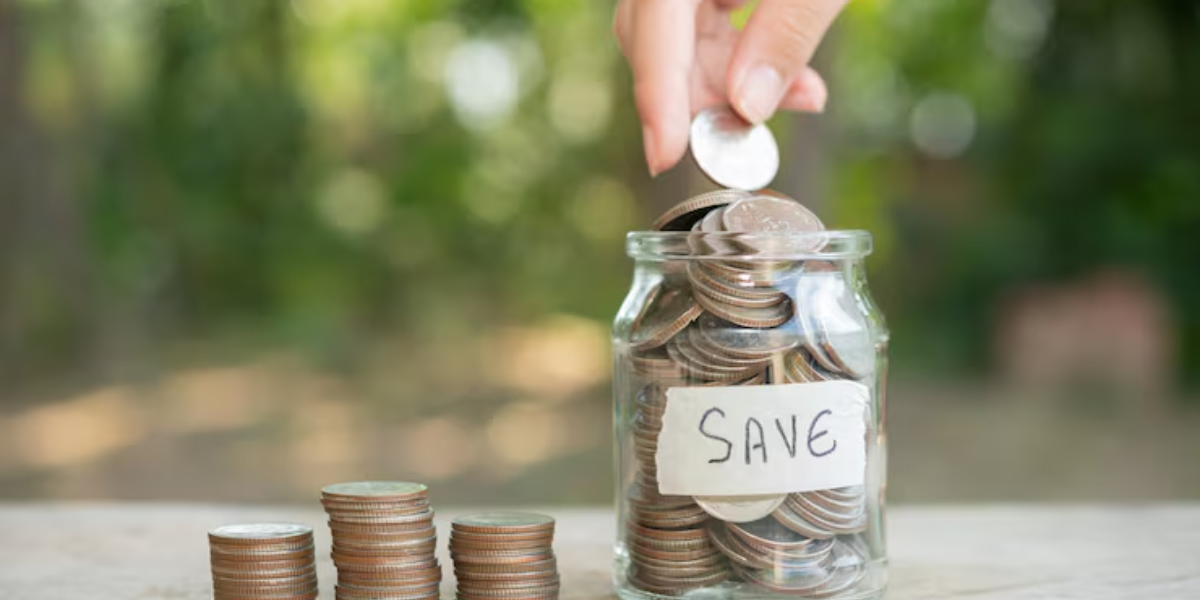
It is a general guideline to save enough funds for 3-6-9-months of your essential living expenses based on your financial situation.
- 3 months (Lower risk): Best for one individual with a steady job, few or no dependent, and no risk of employment.
- 6 months (Middle risk): Considered the “gold standard” for families, individuals with dependents (children/parents), or those with a moderate risk of income disruption or with some debt or mortgage.
- 9+ months (High risk): Essential for freelancers, entrepreneurs, or independent individuals who have complex financial situations.
What is a promising starter emergency fund?
It’s generally considered to have three to six months’ worth of expenses in your emergency fund, but how much you save depends on your situation. If you’re the bread earner of the family or you have multiple dependents, you need more in your pot.
It might sound like a lot of money. But don’t be put off if that feels too much. Anything you can put aside is beneficial, and everyone has to start somewhere when it comes to savings.
Where should you put your emergency savings?
There are plenty of options for where to put your cash. It will depend on your circumstances and how quickly you might need to access money in an emergency, as some lock money away. You can also use a few different options to help you get the best balance between accessibility and interest-earning potential.
- A lucrative savings account will pay high interest rates on your savings. Search to find the best deals, and be ready to switch providers if interest rates drop. These bank accounts sometimes also offer desirable bonuses to new customers, which means you can add more to your pot.
- A money market account is essentially a mix between a checking account and a savings account. They tend to offer good interest rates and limited withdrawals from your savings. So if you can be confident you won’t need immediate, easy access to your savings, this might be a good option.
- A CD, also known as a certificate of deposit, offers a fixed rate of return in exchange for locking your funds away for a set period (for example, 20 months). Oftentimes, there will be penalties if you need to make early withdrawals, but these will differ between accounts, so do your best search.
- An easy-access checking account is a good option if you want to be able to access your money quickly. Some banks have savings pots within their checking accounts to help you separate money for different uses. These will often have smaller interest rates than other options.
Steps to build an emergency fund
1. Understand your current finances
To make smart financial decisions, you must understand your current finances. That includes the amount of money you currently have in your checking account balance and other bank accounts, as well as any debts you owe, including credit card debts. It’s also crucial to audit your monthly expenses.
2. Determine how much you can save
It’s important to set a savings target, so you know what you’re working towards. Set a realistic target and do not rush into fake high expectations. So go slow and think accordingly.
This is where the 3-6-9-month rule helps. Set out an optimal amount to aim for. Then work out how much you can actually save each month to meet that target.
Monthly, evaluate your outgoings and expenses according to your income, considering what you can cut back on, and how much you can put aside.
3. Choose saving strategies that work for you
There are lots of ways to save money, so choose one that benefits you in the long run.
- Being disciplined is very important to fulfill a target. Set a budget and stick to it.
- Set up automatic transfers from your regular salary to your savings accounts. Do this as soon as you get paid, to avoid the temptation to spend it.
- Keep the watch on interest rates and, if you can get a better deal elsewhere, move savings accounts to maximize the return on your savings.
- Pay off any outstanding debts, starting with high-interest credit cards. This might seem counterintuitive, but it will free up money for you to put into your savings.
4. Find the best place to keep your savings
Whatever you decide for your savings plan, it’s wise to keep your emergency fund in a separate account or savings pot, so you aren’t tempted to spend it. So remember to use an insured bank account for your savings to protect your money.
5. Planning when and how to use it
Once you’ve built up a decent-sized emergency fund, it will be tempting to dip into your savings. However, remember how long it took you to save the money. It’s much easier to spend money than to save it.
Try setting some ground rules for yourself that will help you spend the money wisely. Perhaps there are only certain situations you want to use the money for. This is especially important if you’ve got a family and dependents, when everyone agrees what reasonable living expenses look like, it will help keep spending decisions harmonious.
Do remember to be flexible as well as disciplined. Stuff happens, and it may not be an unexpected expense you’d bargained for, but have the confidence that you can always get your emergency fund back on track with a little hard work and determination.