

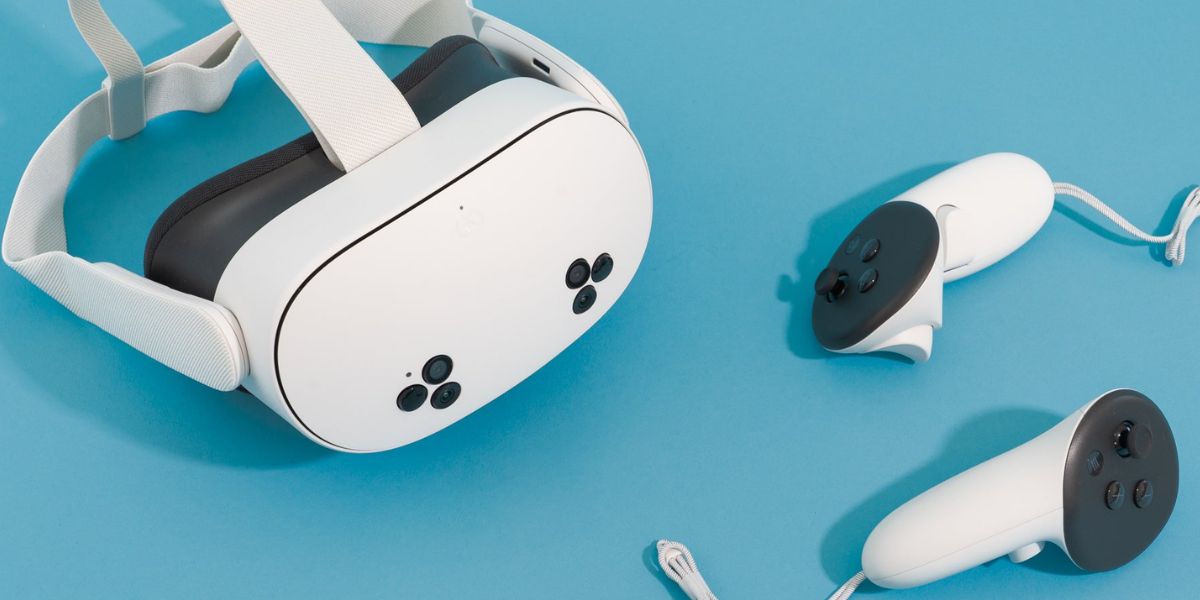
Virtual Reality (VR) is no longer just about games and entertainment now; it is emerging rapidly into other fields such as mental health therapy. It uses a computed stimulated world as a treatment tool. By creating a great computer generated environment, it allows individuals to experience situations that are more real while still giving the sense of safety and control. This also somewhere changed the methods of therapists of dealing with the wide range of psychological conditions, whether it includes PTSD, trauma or anxiety disorder. This is giving new hope to the patients worldwide.
1. Exposure therapy is more effective
VR is widely used for exposure therapy. Rather than just imagining it in your head, VR helps to face and experience it with a safe and controlled environment. It gives patients more confidence to face the real life situation and to overcome their fear.
- Patients with phobia of height can overcome it by first virtually experiencing it.
- Therapists can adjust intensity in real time.
- It gives a safer sense of exposure than real-world.
Example: Someone with fear of speaking on stage can practice virtually without any real-world pressure.
2. Safe Virtual Space of Real-Life Situations
VR gives people a safe space to rehearse difficult scenarios:
- People with Social Anxiety Disorder gets a good platform for social interaction
- It helps people with Autism Spectrum Disorder with their daily routine
- Stressful environments for anger or emotional regulation
This helps build confidence and coping skills before facing real life.
3. Pain and Stress Release
VR can be used as a distraction and relaxation tool:
- Doing meditation in calming virtual environments with the help of professionals
- Reduced perception of pain during medical procedures
- The less competition, the less stress and anxiety of being the best
VR plays a vital role by helping patients with chronic pain or severe anxiety.
4. Cognitive Behavioral Therapy (CBT) Enhancement
To make sessions more interactive, therapists increase the involvement of CBT in VR. It helps patients to have a strong sense of presence.
- Giving weak thoughts a more visual and interactive environment
- It is allowing patients to “see” and challenge negative thinking patterns
- Giving simulated environments to practice coping strategies
5. Treatment for PTSD and Trauma
VR helps recreate controlled versions of traumatic contexts for trauma survivors
- Gradually helping patients to process their memories
- Therapists guide emotional responses in real time
- Helps in reducing the avoidance behavior
This form of VR therapy treatment is given to veterans, accident survivors, and abuse victims.
6. Remote and Accessible Therapy
With VR, therapy sessions are becoming more affordable and easily accessible.
- You can sit and enjoy whatever view you want because therapy can be delivered to you at home.
- Places with no or with limited access to mental health professionals can use VR platforms.
- Gives you more self time and space while saving your travel cost.
7. Data-Driven Personalization
VR systems can track physiological response, giving therapist a real time feedback to check patients anxiety and traumas and their coping skills.
- Gaze directions during sessions
- Reaction time and sweating
- Behavioral response
Boost Engagement, Motivation, and Challenges
- Maintaining patient engagement can be a very common challenge in mental health therapy. VR mostly focuses on increasing the engagement of patients by introducing interactive and challenging elements into therapy sessions.
- Motivation ensures the patient keeps taking continuous therapy without any break. Rewards the patient, making a process tracking dashboard keeps the patient engaged.
- Setting the short term achievable goal for the patient so that they can stay motivated by achieving one goal at a time.
- For conditions like PTSD, rather than starting with high intensity, go with slow and mild triggers. Try not to overwhelm the patient. Listen and understand what particular action or situation triggers them the most and try to handle it with extra care and gentleness.
- Creating a balance is important. It should not be too easy as it will lead to being too boring. Not too hard as it will lead to high anxiety. Just a good mixture of engagement and growth which keeps the patient motivated, challenged and engaged.
Conclusion
Overall VR is a very powerful and supportive tool for therapists that helps them to create a comfortable, confident, and safe platform for their patients. VR helps patients with PTSD and anxiety disorder to overcome their fear and traumas by creating virtual scenarios just like real life situations. Sometimes face to face therapy can be overwhelming, so VR gives patients a platform to ease themselves, with the best surroundings and also helps them to save some money by cutting their travel cost. Good mental health is a blessing which is very important for your emotional, psychological, and social well being. Treat it with care and love and see the changes that will help you become a person with a heart full of colours and eyes full of light.