

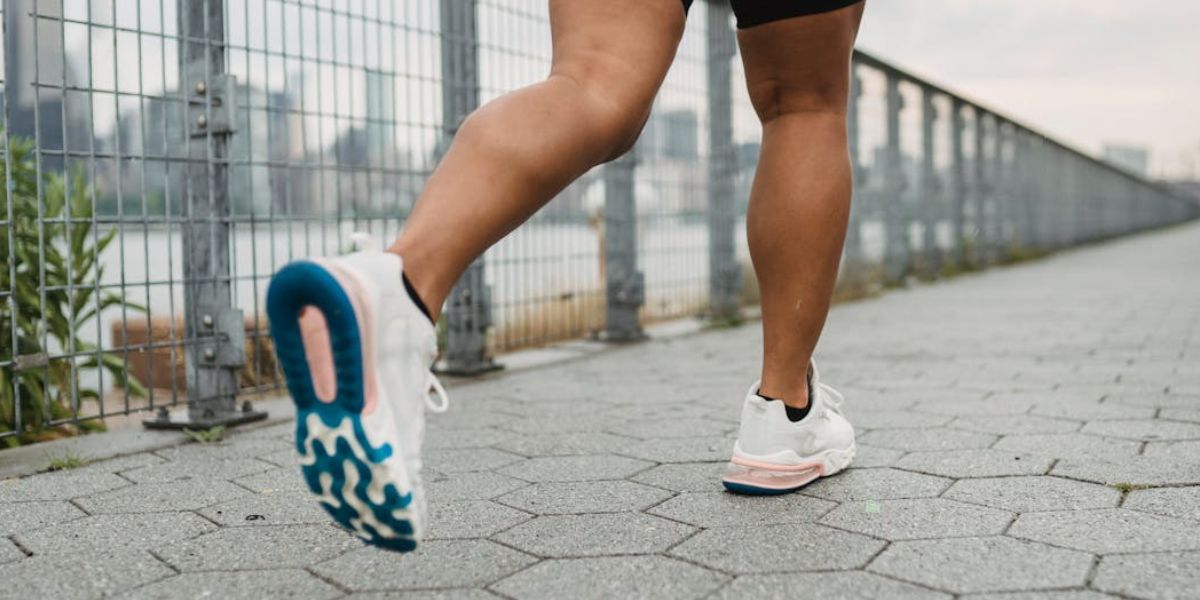
In 2026, taking care of your health feels less like a task and more like something you can stay on top of every day. Wearable health trackers make this easier by giving you simple, useful insights into your body. From sleep and steps to recovery and heart health, these devices help you understand what’s working and what needs attention. If you’re trying to build better habits or just stay a little more aware, the right tracker can quietly support you along the way.
Garmin Venu 3
This is an easy, all-rounder that fits into daily life without much effort. It tracks your activity, sleep and energy levels in a way that’s simple to follow. The Body Battery feature helps you understand how much energy you have throughout the day, which is genuinely useful. The display is bright, and the battery lasts long enough that you’re not constantly charging it.
Apple Watch Series 9
If you already use Apple devices, this one just fits right in. It keeps track of your heart rate, activity, and overall health without feeling complicated. Features like ECG and HRV tracking add more depth if you want it. At the same time, everything is easy to access, which makes it practical for everyday use.
Samsung Galaxy Watch6
This works well if you want a mix of smartwatch features and health tracking. It gives you insights into sleep, heart health, and even body composition. The display is clear and easy to read, and the overall experience feels smooth. It’s a good option if you want something that does a bit of everything.
Fitbit Charge 6
For something simple and easy to use, this is a solid pick. It covers all the basics like steps, heart rate, and sleep without overloading you with too much data. The insights are clear and easy to understand, which makes it great if you’re just starting out. It’s practical, reliable, and fits into everyday routines.
Oura Ring Gen 3
If you don’t like wearing a watch, this feels like a natural alternative. It focuses more on sleep and recovery, giving you a better idea of how your body is doing overall. You don’t have to keep checking it all the time—it works quietly in the background. The minimal design also makes it easy to wear all day and night.
Whoop 4.0
This is for anyone who wants a deeper understanding of their body. Instead of just tracking steps, it looks at strain and recovery. It helps you figure out how much effort your body can handle each day. There’s no screen, but the app gives detailed insights that actually help you improve your routine.
Garmin Forerunner 265
If you’re into running or outdoor workouts, this one is worth considering. It gives you detailed insights like training readiness and recovery, so you know when to push and when to rest. Even with all its features, it doesn’t feel too complicated to use. It’s practical for both beginners and regular runners.
Apple Watch SE (3rd generation)
This is a simpler, more affordable option for Apple users. It covers everyday tracking like steps, heart rate, and workouts without adding too much extra. The interface is clean and easy to use, and the quick charging makes it convenient for daily wear. It’s a good balance of basics and ease. You still get reliable tracking, which is enough for most daily needs. It’s a comfortable choice if you don’t want something too advanced.
Amazfit Bip 3 Pro
If you’re looking for something budget-friendly, this one does the job well. It tracks your heart rate, sleep, and activity without any fuss. You also get built-in GPS and multiple workout modes. The battery lasts long, which makes it easy to rely on without charging it often. It’s a good pick if you want something simple that covers all the basics.
Garmin Vivoactive 6
This is a dependable option for everyday health tracking. It keeps an eye on your heart rate, sleep, and blood oxygen levels in a simple way. It works with both Android and iOS, which makes it flexible. Features like incident detection add an extra layer of safety, making it feel reliable for daily use. It’s a steady, no-fuss option that fits easily into your routine.
Choosing the right tracker depends on what feels comfortable and easy for you. The idea isn’t to track everything perfectly, but to understand your body a little better and build habits that last.