

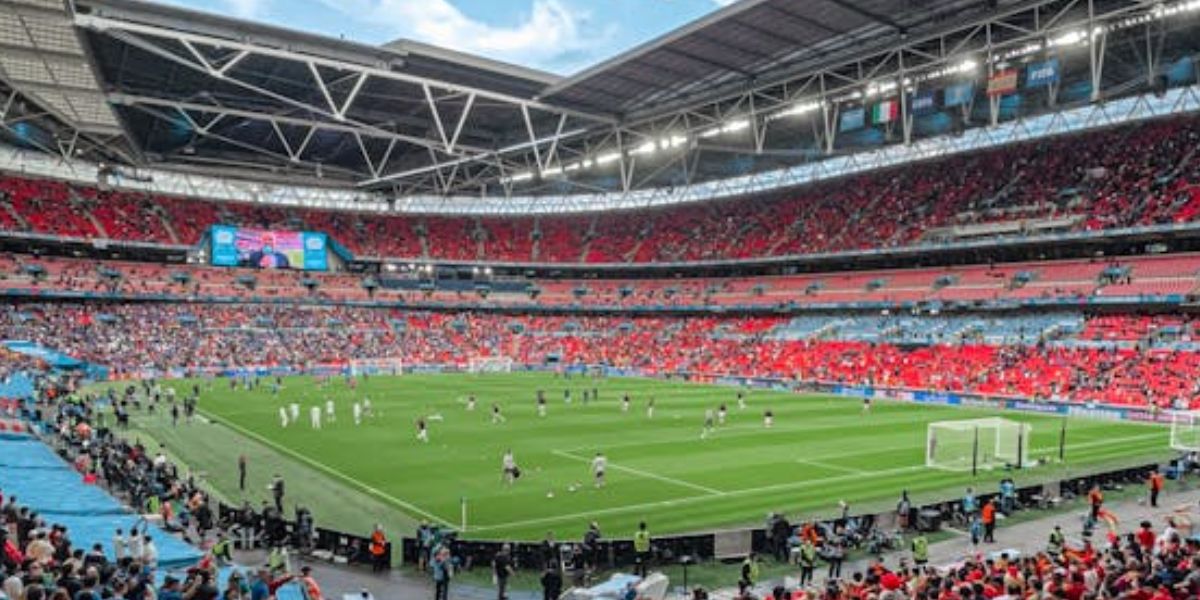
Modern sports stadiums have evolved far beyond simple venues for matches. Today, they are architectural landmarks, entertainment hubs, and powerful economic engines. But with innovation and luxury comes a steep price tag. Across the world, stadiums are being built or renovated at costs running into billions of dollars, raising an important question: who actually pays for these mega-projects?
Over the past two decades, the cost of building sports stadiums has skyrocketed. Advances in design, technology, and fan experience have transformed stadiums into multi-purpose complexes equipped with retractable roofs, massive LED screens, luxury suites, and integrated retail and hospitality spaces.
The Era of Billion-Dollar Stadiums
One of the most notable examples is SoFi Stadium, home to the Los Angeles Rams and Chargers. Opened in 2020, it reportedly cost around $5 billion, making it one of the most expensive stadiums ever built. Similarly, Allegiant Stadium, home of the Las Vegas Raiders, came with a price tag of nearly $2 billion.
In Europe, Tottenham Hotspur Stadium stands out as one of the costliest football venues, costing over £1 billion. It features cutting-edge facilities, including a retractable pitch that allows it to host both football and NFL games.
- SoFi Stadium – The Most Expensive Stadium
SoFi Stadium represents the pinnacle of modern stadium design. Built as part of a larger entertainment district, it includes retail spaces, offices, and residential areas. Its defining feature is the massive translucent roof and the 360-degree “Oculus” video board suspended above the field.
What makes SoFi unique is its funding model. Unlike many stadiums, it was largely privately financed by Rams owner Stan Kroenke. This approach reduced the burden on taxpayers, although surrounding infrastructure improvements still involved public investment.
- Allegiant Stadium – Public-Private Partnership
Allegiant Stadium highlights a different funding approach: a public-private partnership. While the Raiders and private investors contributed a significant portion, around $750 million of the cost came from public funds, primarily through hotel taxes in Las Vegas.
This model is common in the United States, where cities and states often justify public investment by citing economic benefits such as tourism, job creation, and increased local spending.
- Tottenham Hotspur Stadium – A European Benchmark
In Europe, Tottenham Hotspur Stadium is often cited as a benchmark for modern football venues. Opened in 2019, it combines premium fan experiences with revenue-generating features such as hospitality suites, a microbrewery, and event spaces.
The project was largely financed through a mix of club funds, loans, and long-term financing arrangements. Unlike many American stadiums, direct public funding was limited, though local infrastructure upgrades supported the development.
How Stadiums Are Funded
The funding of stadiums typically falls into three main categories: public funding, private investment, and hybrid models.
- Public Funding:
Governments may contribute through taxes, bonds, or subsidies. This approach is often controversial, as critics argue that taxpayer money should not fund private sports franchises. Supporters, however, point to potential economic benefits.
- Private Investment:
Some stadiums are financed almost entirely by team owners or private investors. While this reduces the burden on public finances, it also means owners take on significant financial risk.
- Public-Private Partnerships:
A combination of both approaches, these deals distribute costs and risks between governments and private entities. This model is increasingly common, particularly in large-scale projects.
The Economic Debate
The rising cost of stadiums has sparked ongoing debate among economists, policymakers, and the public. Proponents argue that new stadiums can revitalise neighbourhoods, create jobs, and attract tourism. High-profile events such as the Super Bowl, concerts, and international matches can generate significant revenue.
Many studies suggest that the economic impact of stadiums is often overstated. Critics point out that jobs created are frequently temporary and that public funds could be used more effectively elsewhere, such as in education or healthcare.
The debate becomes even more complex in developing countries, where large stadium projects can strain public finances. Yet, governments may still pursue them for global visibility, especially when hosting major events like the Olympics or the FIFA World Cup.
Beyond Sports: Multi-Purpose Venues
One reason for the escalating costs is the shift toward multi-purpose stadiums. Modern venues are designed to host a wide range of events, from concerts and exhibitions to corporate functions.
This diversification helps generate year-round revenue, making the investment more viable. Features such as retractable roofs, modular seating, and advanced acoustics enable stadiums to adapt to different uses.
For example, Tottenham Hotspur Stadium’s retractable pitch allows it to switch between football and American football, maximising its utility and revenue potential.
The Future of Stadium Financing
Looking ahead, the funding of sports stadiums is likely to evolve further. Rising construction costs, coupled with increased scrutiny of public spending, may push more projects toward private financing or innovative funding mechanisms.
Sustainability is also becoming a key consideration. New stadiums are incorporating green technologies, energy-efficient systems, and sustainable materials, which can increase upfront costs but reduce long-term expenses.
In addition, digital advancements are reshaping the fan experience, with investments in connectivity, augmented reality, and data analytics becoming standard features.
The world’s most expensive sports stadiums are more than just arenas—they are symbols of ambition, innovation, and economic strategy. From privately funded mega-projects like SoFi Stadium to publicly supported ventures like Allegiant Stadium, each reflects a unique approach to financing.
As costs continue to rise, the question of who pays—and who benefits—will remain central to the conversation. Whether viewed as engines of growth or costly luxuries, these stadiums are set to shape the future of sports and urban development for decades to come.