
The Hatch Act Explained: What Government Employees Can And Can’t Do
The Hatch Act, passed in 1939, aims to eliminate corrupt practices in national elections.

How The Freedom Of Information Act (FOIA) Works For Regular Citizens
Any person can file a Freedom of Information Act (FOIA) request, whether or not they are a US citizen.

How Judicial Appointments Work: From Nomination To Confirmation
To become a Supreme Court justice, an individual must first be nominated by the president and then confirmed by the Senate.

How An IPO (Initial Public Offering) Works: From Private To Public
The process of making shares of a private company available to the general public through a fresh stock issuance is known as an initial public offering.

The Rise of ‘Buy Now, Pay Later’ (BNPL): Benefits and Debt Risks
Buy Now, Pay Later may seem like a good option, but it is important to look at the pros and cons before opting for it.

Understanding ‘Shrinkflation’: Why Products Are Getting Smaller
Shrinkflation is a term used to describe the phenomenon of various products becoming smaller in size without a corresponding change in price.
How Your Credit Score Is Calculated: FICO Vs VantageScore
Understanding how different scoring models weigh Credit Score Factors can help you make smarter borrowing and financial decisions.

How To Use The Debt Avalanche Method To Be Debt-Free By 2027
The debt avalanche method helps you become debt‑free faster by tackling the highest‑interest debts first.

How To Protect Your Digital Identity From AI-Driven Deepfakes
Deepfake Protection is becoming essential in a world where AI can replicate voices, faces and identities with alarming accuracy.
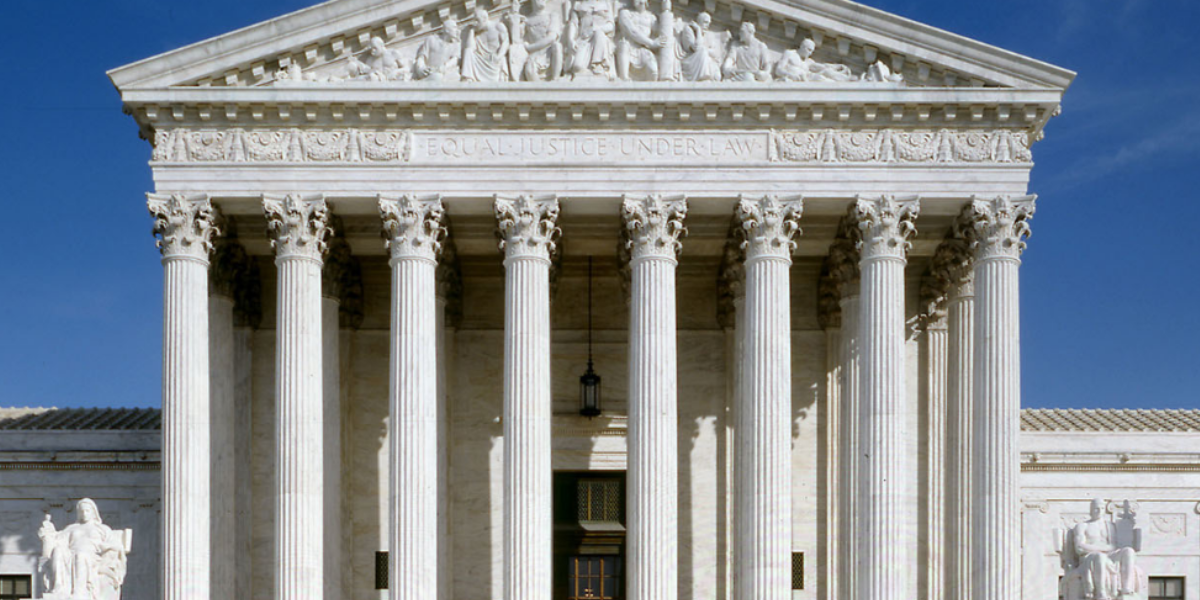
The Differences Between Grand Juries And Trial Juries In The US
The Grand Jury vs Trial Jury distinction lies in their roles, with grand juries deciding whether charges should be filed and trial juries determining guilt or innocence.