

The modern Olympic Games began on April 6, 1896, in Athens, 1,500 years after being banned by the Roman Empire. The ancient Games had started in 776 BC at Olympia and grew from simple foot races to wrestling, boxing and chariot racing before being abolished in AD 393.
Interest in Greek culture revived the idea centuries later. In 1892, French baron Pierre de Coubertin called for a global sporting event held every four years. His plan was approved in 1894, leading to the formation of the IOC and the choice of Athens as the first host. About 280 men took part in 43 events in 1896
The event grew steadily. By 2004, it had returned to Athens with more than 11,000 athletes from 202 countries.
The Olympic Games are remembered not only for sporting excellence but also for the powerful moments they have created. Over the years, these moments have played out as dramatically as the competitions themselves.
Iconic Moments
1936: Jesse Owens Defies Nazi Propaganda
At the Berlin Games, Adolf Hitler hoped to use the Olympics to promote ideas of racial superiority. Instead, American sprinter Jesse Owens delivered a stunning rebuttal. Owens won four gold medals, broke records and won admiration worldwide.
1936: India Refuses To Salute Hitler
India’s hockey team also made a quiet but firm statement in Berlin. They were one of only two delegations that refused to give the raised-arm salute. On the field, they went on to thrash Germany 8-1 in the final. India sealed its third consecutive Olympic gold, and Hitler reportedly left the stadium in anger.
1960: Paralympics Are Born
The Rome Games delivered many historic firsts. The most significant of them was staging the inaugural Paralympic Games alongside the Olympics. The event later gained official recognition and helped pave the way for a more inclusive sporting landscape.
1960: Abebe Bikila Wins Barefoot
Ethiopian marathon runner Abebe Bikila entered the Rome Olympics as a last-minute replacement and without proper footwear. After finding that his new shoes caused blisters, he chose to run barefoot. Bikila won the gold, and his barefoot victory remains one of the most remarkable feats in Olympic history.
1968: Black Power Salute On The Podium
The Mexico City Olympics coincided with the height of the Civil Rights Movement. During the medal ceremony for the men’s 200m race, American sprinters Tommie Smith and John Carlos raised black-gloved fists as the US anthem played. They wore only black socks, and Carlos also wore a necklace to highlight the history of lynchings. The gesture became one of the defining images of the 20th century.
1972: Terror In Munich
The 1972 Munich Games were plunged into darkness when the Palestinian group Black September stormed the Olympic Village. The militants entered the Israeli team’s accommodation and killed two athletes in the initial attack. Nine others were taken hostage. A series of failed rescue attempts ended in tragedy, with all nine hostages and a German police officer losing their lives. It marked one of the darkest chapters in the history of the Games.
1976: Nadia Comaneci’s Perfect 10
At just 14, Romanian gymnast Nadia Comaneci stunned the world at the Montreal Games by earning the first perfect 10 in Olympic history. The scoreboard could not even display the score correctly. She went on to collect six more perfect marks and three gold medals.
1996: Muhammad Ali Returns To The Olympic Stage
Muhammad Ali’s association with the Olympics came full circle at the centenary Games in 1996. After winning gold in Rome in 1960 as Cassius Clay, a medal he later discarded in protest after being denied service at a whites-only restaurant, Ali, then battling Parkinson’s disease, lit the Olympic flame in Atlanta.
2000: Korea Marches Under Unified Flag
The opening ceremony in Sydney delivered a rare moment of harmony. Athletes from North and South Korea walked into the stadium together behind a single flag showing the Korean peninsula. Still technically at war, the two nations shared one placard, one flag and a warm reception from the crowd. It was a brief but powerful gesture of peace.
2012: The First Truly Gender-Equal Olympics
The London Games earned the title of the “Women’s Olympics.” For the first time, women competed in every sport, and every participating nation included at least one female athlete. Countries such as Saudi Arabia, Qatar and Brunei sent women to the Olympics for the first time. It was a significant leap forward for gender equality.
Rule Changes
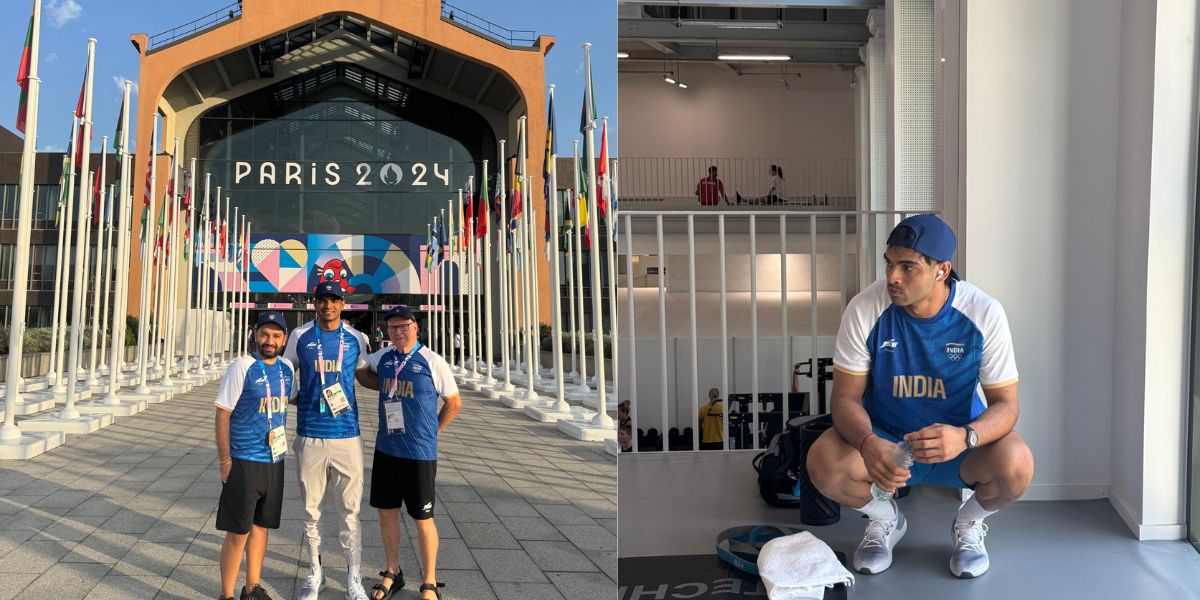
The Olympics are remembered not only for their defining moments but also for the rules that shape how each edition is run. The changes tell their own story of how the Games continue to evolve. At the 2024 Paris Olympics, a set of rules were introduced that shaped how athletes lived, ate and competed during the Games. Here are some rules that were in place.
Alcohol Ban In The Olympic Village: The Olympic village operated under a strict no-alcohol policy. Athletes could visit the on-site sports bar, but drinks were not served.
Food Restrictions: Deep-fried food, including French fries, was removed from the village menu due to fire-safety rules. Foie gras and avocados were also excluded on environmental and ethical grounds.
No Air Conditioning: Organisers did not install air conditioning in the residential blocks, relying instead on insulation and building design to manage summer heat. Officials said the structures were built to remain comfortable without mechanical cooling.
Content-Sharing Limits: The IOC allowed athletes to film at ceremonies but restricted posting from competition venues or one hour before events. Videos were capped at two minutes, and filming medal ceremonies or on-field celebrations was prohibited.
Running Without Shoes Permitted: Athletes were allowed to run barefoot under World Athletics rules. Footwear remained optional for all track events.
Broken Paddle Rule: Competitors who broke a paddle during the canoe slalom were permitted to finish the course using their hands.
Intimacy Restrictions Lifted: Tokyo’s pandemic-era rules limiting physical contact between athletes were no longer in force. Condoms were distributed again, without the previous guidance to take them home for awareness campaigns.