Global Economy

How Executive Orders Work: Limits and Judicial Review
An executive order is a directive issued by the president to manage operations within the federal government. These orders carry the force of law but were not passed by Congress.

The History of the US Minimum Wage and Inflation-Adjusted Value
The decades following World War II saw consistent increases in the minimum wage, reflecting strong economic expansion and rising living standards.

Understanding ‘Home Rule’: How Your City Government Actually Works
A home rule is generally a kind of govt granting local governments the authority to work on their issues and affairs without involving the state government’s permission.

The Difference Between Deficits and National Debt: A 2026 Update
As governments around the world grapple with rising spending needs and economic uncertainty, two terms frequently dominate fiscal discussions: budget deficits and national debt. While often used interchangeably in public discourse, they represent distinct but closely related aspects of a country’s financial health. In 2026, with global economies still adjusting to post-pandemic realities, inflationary pressures, […]

How The US Decides To Go To War: The War Powers Resolution
Tensions between US and Iran continue to escalate as the war enters in second month. But amid this, choice of words by US President Donald Trump has drawn attention. On Wednesday, Trump appeared cautious about describing the situation as a “war.” “I won’t use the word ‘war’ because they say, if you use the word […]
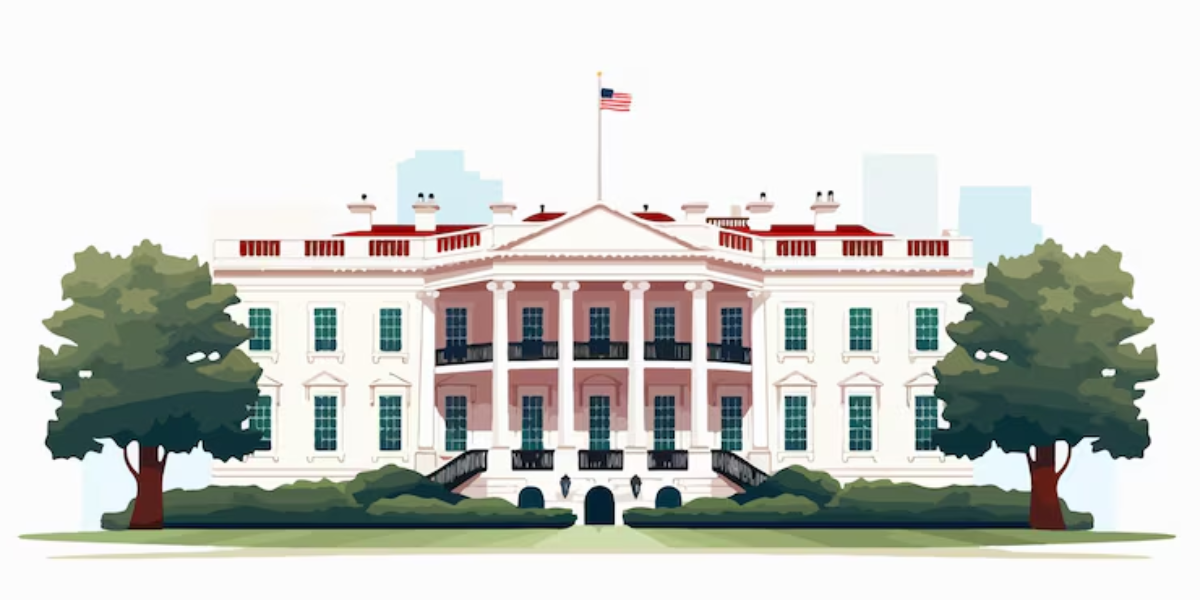
Understanding The Commerce Clause: The Secret To Federal Power
It operates at the intersection of politics, business, and public policy, often behind closed doors but with far-reaching consequences.
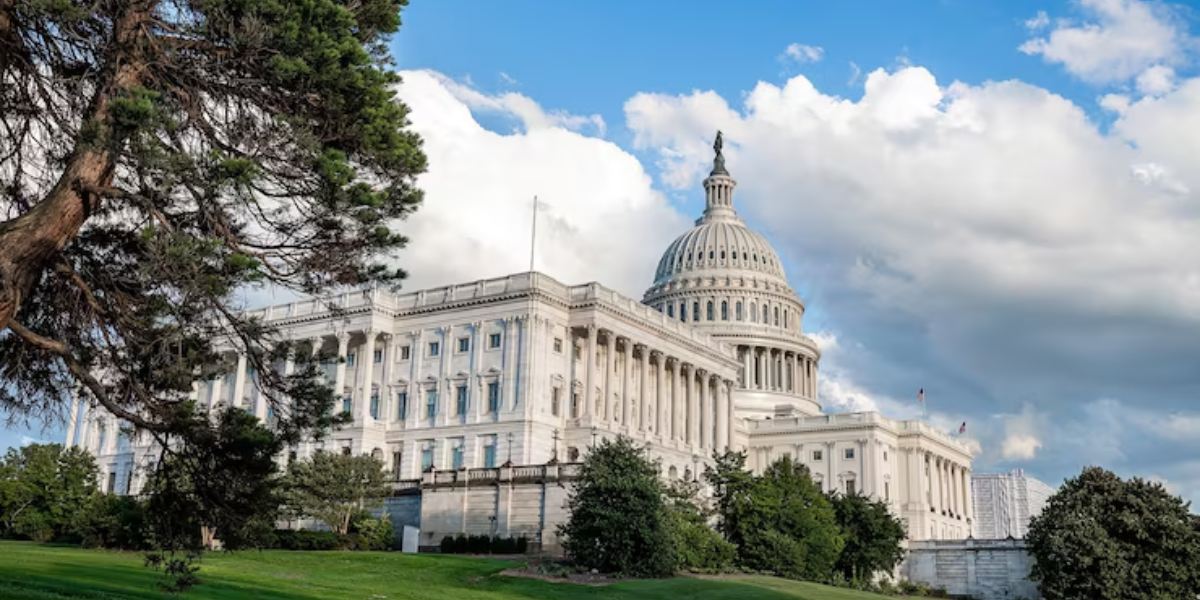
The Role of Lobbyists in Washington: How Special Interests Work
It operates at the intersection of politics, business, and public policy, often behind closed doors but with far-reaching consequences.

What Is The Longevity Economy? How Tech Is Shaping Healthy Ageing
As more people live active lives at older ages, new needs and opportunities are opening up across many sectors.

The 10th Amendment and State vs. Federal Power: Who Decides?
While the Constitution grants powers to the federal government, such as regulating interstate commerce and conducting foreign policy, it leaves a wide range of duties undefined.

What is the 3-6-9-Month Rule?
Best for one individual with a steady job, few or no dependent, and no risk of employment.