

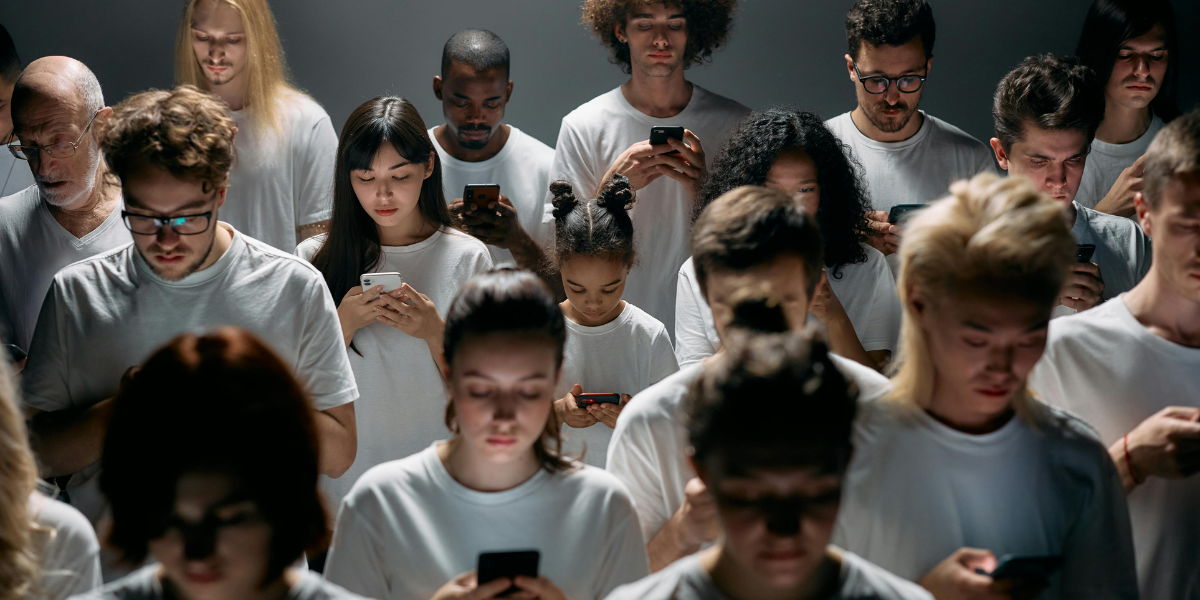
We continuously look at everything from our smartphones to our laptops for work, social interactions or even entertainment for hours on end. This has led to excessive screen time, causing digital fatigue, physical discomfort, eye strain, headache, tiredness or even mental stress and sleep disruption.
You can regain focus, lighten mental load and protect your health by making conscious reductions in screen exposure and building healthier tech habits. You can do this without giving up on the conveniences of modern devices.
How To Reduce Screen Time And Digital Fatigue
Track And Become Aware Of Your Screen Use
Often, we are unaware of how much time we actually spend on screens. Monitoring usage can help us do that. Many devices have built‑in screen‑time trackers. Using these, you can review which apps or tasks take up the most time and make decisions accordingly. It is when you know your pattern that you are able to intentionally scale back or re‑distribute time toward real‑world activities.
Set Clear Limits And Boundaries
Establish screen-free zones: Mark certain areas of the house, such as the bedroom or dining area, as no-device areas. This helps separate the time you’d allocate to family or for rest from digital distractions.
Establish screen-free hours or days: It is very important to give your brain periodic breaks from screens, whether it’s one hour before bedtime, mealtimes or even an entire weekend day.
Schedule time to communicate: Instead of constantly checking messages and emails, set certain times throughout the day where you would respond to others. That cuts back on the reactive pattern of constant screen checking.
Practice Mindful And Intentional Screen Habits
Not all screen time is created equal, and mindless scrolling is much more depleting than purposeful use. Here are some strategies you may consider:
Before you unlock your device, pause and ask yourself, if this is for a reason or out of habit?
Limit time spent on social media and other entertainment apps, or block their access during work time.
Use one screen at a time. Try not to juggle your phone and laptop at once. This clears mental clutter and cognitive overload. By treating the use of screens as a tool for a purpose, such as work, learning or communication, instead of a default pastime, you regain control over technology.
Prioritise Physical Comfort and Eye Health
Prolonged screen exposure can result in eye strain, dry eyes, headaches, neck or back pain. To counteract this, follow the 20‑20‑20 rule. Every 20 minutes, look at something at least 20 feet away or focus at a distant point for at least 20 seconds. This rests the eye muscles.
Set up the screen so that it is not the brightest light source and is not causing glare or strain. Place the screen at a comfortable distance, which is about an arm’s length, and at a position where the top of the screen is at or slightly below eye level.
Ambient lighting should be soft and there should not be any direct glare or reflection. Avoid working in a dark room with a bright screen.
Blink purposefully and frequently while working on screens to keep eyes moist. When looking at screens, it is common to blink much less.
Build And Sustain Healthy Habits Gradually
It is better to detox gradually instead of doing it suddenly. For example, start with one tech-free hour a day or one screen-free night per week. Gradually limit your use of social media or entertainment. As your brain and body gets used to it, you may find yourself relying less on screens.
Common Digital Detox Strategies
Here are some ways to reduce screen time and digital fatigue:
- Monitor screen time by using device settings or through apps.
- Establish tech-free zones, like the bedroom or dining area, and screen-free routines around mealtimes or bedtime.
- Follow basic habits of ergonomics, such as adjusting your screen and lighting, using the 20-20-20 rule, blinking often and maintaining good posture.
- Replace digital time with offline, creative, or physical activities.
Challenges And How To Overcome Them
When you first cut back on screen time, the compulsion to check your phone or social media may feel strong. So, have a replacement activity ready. Read a book, go on a walk or pursue a hobby.
You might not get a complete break from screens while you are working or studying. In that case, make small changes. Use ergonomic setups, take eye breaks and limit non‑essential screen use after hours.
These days, screens are inevitable. The problem isn’t with technology, it’s how unconsciously and continuously we use it. A tech detox doesn’t mean abandoning devices altogether. It means reclaiming control over our time, attention and well‑being.
Start small. Track your screen time. Set boundaries. Take eye breaks. Replace scrolling with something real. Build habits. Over time, you might find yourself not just less fatigued, but more present and focused as well.