

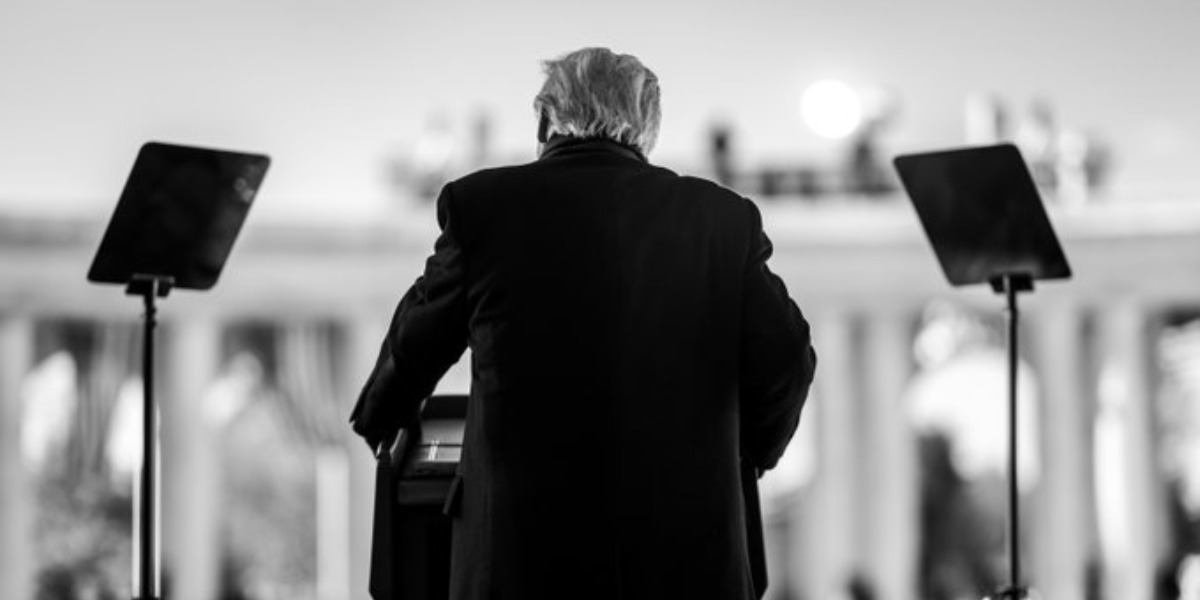
US President Donald Trump wasted no time in acting on his second-term pledge to tighten immigration policies. After campaigning on promises of mass deportations and increased arrests, he returned to the White House determined to fulfill those vows.
His administration lifted restrictions on immigration arrests in schools, hospitals, and places of worship, while planning a massive new detention center at Fort Bliss, Texas. Legal immigration also tightened, with stricter green-card rules for married couples and tougher standards for H-1B and other work visas.
Trump even invoked the Alien Enemies Act of 1798 to deport certain Venezuelan nationals, though courts quickly blocked the move.
Immigration in America has evolved from early laws defining who could enter the country to modern debates shaped by wars, 9/11, and national security.
Here is a timeline:
1790 – Naturalisation Act
The first Congress passed the Naturalisation Act, which limited citizenship to “free white persons” who had lived in the United States for at least two years.
1798 – Alien Enemies Act
Congress passed the Alien Enemies Act, allowing the government to detain and deport non-citizens considered threats during wartime. This law has been invoked only a few times in US history.
1868 – 14th Amendment
The 14th Amendment granted citizenship to all persons “born or naturalised in the United States,” including formerly enslaved Black Americans.
1849-1870s – Chinese Immigration
Large numbers of Chinese immigrants arrived during the California Gold Rush. By the 1870s, economic panic and racial tensions led many White Americans to scapegoat Chinese immigrants for taking jobs.
1882 – Chinese Exclusion Act
President Chester Arthur signed the Chinese Exclusion Act, the first federal law to block a specific nationality from becoming US citizens and entering the country.
1891 – Immigration Act
The Immigration Act of 1891 centralised immigration processing under the federal government, removing responsibility from individual states.
1892 – Ellis Island Opens
Ellis Island opened as the nation’s federal immigration processing centre. Between 1892 and 1954, more than 12 million immigrants passed through its doors.
1917 – Immigration Act
The Immigration Act of 1917 imposed restrictions on immigrants from the Middle East and Asia, required literacy tests, and raised taxes on most entrants. President Woodrow Wilson vetoed the bill, but Congress overrode his veto.
1921 – Emergency Quota Act
The Emergency Quota Act established the first numerical limits on immigrants from outside the Western Hemisphere. The mood was isolationist and anti-immigrant following World War I.
1924 – Immigration Act
The Immigration Act of 1924 further reduced quotas and favoured immigrants from Western and Northern Europe while maintaining the exclusion of Asians.
1929-1934 – Mexican Repatriation
During the Great Depression, federal and local authorities forcibly deported thousands of Mexican immigrants and Mexican-Americans, often under coercion.
1933 – Immigration and Naturalisation Service (INS) Created
President Franklin D Roosevelt consolidated immigration enforcement and naturalisation responsibilities into the new Immigration and Naturalisation Service.
1942 – Japanese-American Internment
Following the US entry into World War II, approximately 1.2 lakh Japanese-Americans were forcibly relocated to internment camps under Roosevelt.
1943 – Magnuson Act
The Magnuson Act repealed the Chinese Exclusion Act, established quotas for Chinese immigrants, and allowed them to gain citizenship.
1952 – Immigration and Nationality Act
This act ended the outright exclusion of Asian immigrants, maintained a quota system, and established a framework for deportation while prioritising skilled workers and family reunification.
1954 – Operation Wetback
During the Eisenhower administration, thousands of Mexican labourers were forcibly deported in “Operation Wetback,” a programme later cited by Trump as a model for mass deportation.
1959-1961 – Cuban Refugee Programme
Following Cuba President Fidel Castro’s rise to power, more than 2 lakh Cubans fled to the US, and the Cuban Refugee Programme helped relocate them across the country.
1962 – Migration and Refugee Assistance Act
The act provided resources for refugees entering the United States, including financial support and resettlement assistance.
1965 – Immigration and Nationality Act
Signed by President Lyndon B. Johnson, the 1965 law abolished national origin quotas, prioritised family reunification and skills, and opened the door to increased immigration from non-European countries. It also imposed a cap on immigrants from the Western Hemisphere, unintentionally fuelling unauthorised immigration.
1980 – Refugee Act
President Jimmy Carter signed the Refugee Act. It was to standardise the process for admitting refugees and establish the first statutory basis for asylum.
1986 – Immigration Reform and Control Act
President Ronald Reagan signed legislation targeting employers who knowingly hired undocumented immigrants while strengthening enforcement at the border.
1990 – Immigration Act
The 1990 act revised the 1965 law, creating visa categories for family, employment, and diversity, capping total visas at 7 lakh and establishing Temporary Protected Status for individuals from countries affected by conflict or disaster.
1996 – Illegal Immigration Reform & Immigrant Responsibility Act
This act expanded deportation eligibility, introduced expedited removal, and restricted pathways for unauthorised immigrants to gain legal status.
2001-2006 – Post-9/11 Measures
After the September 11 terror attacks, immigration policy focused on national security, database integration, and border enforcement. The Department of Homeland Security and the Secure Fence Act were created.
2012 – DACA (Deferred Action for Childhood Arrivals)
President Barack Obama introduced DACA to protect childhood arrivals from deportation and provide work permits, though it did not grant a path to citizenship.
2017-2021 – Trump First Term
Trump enacted travel bans on certain countries, attempted to end DACA, ended “catch-and-release” policies, targeted sanctuary cities, and began border wall construction.
2021 – Biden Administration
President Joe Biden reversed many Trump-era policies, halted border wall construction, and established a family reunification task force.
2025 – Trump Second Term Actions
In his second term, Trump has invoked the 1798 Alien Enemies Act to deport Venezuelan migrants, declared a national emergency at the southern border to deploy military personnel, initiated steps to end birthright citizenship, and revoked hundreds of student visas citing foreign policy concerns. Several of these actions have faced legal challenges or temporary halts by the courts.