

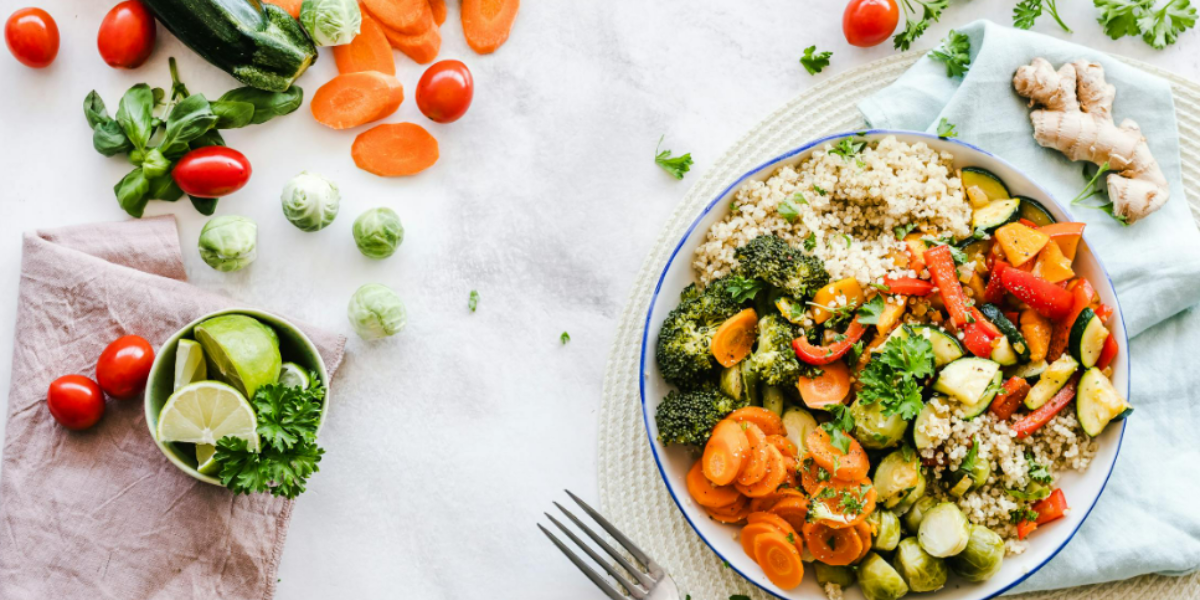
More people than ever are now shifting to a plant-based diet. While some are driven by concerns for their health or the environment, others simply have a desire to reduce their meat consumption. Over the years, plant-forward diets have become a trendy topic among fitness enthusiasts. It helps that it comes with an array of benefits, such as stimulating weight loss and improved health.
What is a plant-based diet?
Plant-based or plant-forward diets focus on consuming foods primarily from plants. In addition to fruits and vegetables, this also includes whole grains, legumes, beans, nuts, seeds and oils. It does not imply that you are vegan or vegetarian and abstain from dairy and meat. Instead, you are making proportionately more plant-based meal choices.
For some, it entails following a vegan diet exclusively. Others define a plant-based diet as eating primarily vegetables with occasional servings of meat, fish, eggs, and dairy. The fundamental principles remain the same, increasing consumption of entire plant foods (such as whole grains, fruit, vegetables, legumes, nuts, and seeds) and decreasing consumption of animal products.
Benefits of a plant-based diet
1. Reduced risk of chronic diseases
A plant-forward diet helps you lower the risk of getting chronic diseases. Filling about half your plate with fresh fruits and vegetables means low cholesterol and blood pressure levels. It also minimises the risk of heart attack and death from heart disease. This diet helps keep Type 2 diabetes under control and stops it from getting worse.
2. Weight management
Foods made from plants are often lower in calories and higher in fibre than foods made from animals. This helps you control your weight. Fibre helps you feel full and keeps your appetite in check without having to count calories all the time.
3. Improved digestion and gut health
The high fibre content in a plant-based diet is good for a healthy digestive system. Fibre helps regulate your bowel movements and feeds beneficial gut bacteria. The results are improved mood, better nutrient absorption and a healthy gut.
4. Reduced inflammation
Many plant foods are rich in anti-inflammatory compounds like antioxidants and phytochemicals. These nutrients help neutralise toxins and fight chronic low-grade inflammation in your body.
5. Enhanced immune system
The abundance of essential nutrients in plants, such as vitamins C and E, folate, and magnesium, helps keep cells healthy and supports optimal immune system function. It helps the body fight off infections and diseases.
Downsides to a plant-based diet
While a plant-based diet offers many benefits, it also presents several challenges that require careful management.
1. Potential nutrient deficiencies
Eliminating animal products from your diet often removes primary sources of certain key nutrients. It can lead to deficiencies if the diet is not meticulously planned. Specific nutrients that are affected include vitamin B12, iron, omega-3 fatty acids, calcium, vitamin D and Zinc.
2. Requires careful meal planning and preparation
A healthy plant-based diet requires strategic planning to ensure a balanced intake of all essential nutrients. One might miss key amino acids without careful planning. Meal preparation time can also be longer compared to more convenient meat-based options.
3. Absorption issues
Anti-nutrients like lectins and phytates can prevent nutrients from being absorbed, making some plant proteins more difficult to digest than animal proteins. Suddenly increasing the amount of fibre from fruits, vegetables and legumes can be a shock to the digestive system. This transition might lead to temporary side effects such as increased gas, bloating or changes in bowel movements.
4. Possible allergies
Some people may experience allergic reactions to soy products. Another important source of protein, nuts and seeds, can also cause allergies.
Meal prep
Here are some menu ideas for a plant-based diet:
Morning
– Banana smoothie topped with peanut or any other nut or seed butter.
– Rolled oats with walnuts and banana.
– Breakfast wrap filled with scrambled egg, black beans, peppers, onions and hot sauce.
Lunch
– Greek salad made with mixed greens, fresh tomato, olives, avocado and veggies. You can also have a whole-wheat pita on the side and fresh melon for dessert.
– Tomato basil soup
– Roasted veggie and brown rice bowl
Snack
– Pineapple slices with coconut yoghurt
– Chopped raw veggies with hummus
Dinner
– Zucchini noodles in a tomato-based sauce
– Grilled vegetable kabobs and spinach salad
– Whole-wheat pasta, dressed with extra virgin olive oil and balsamic vinegar