

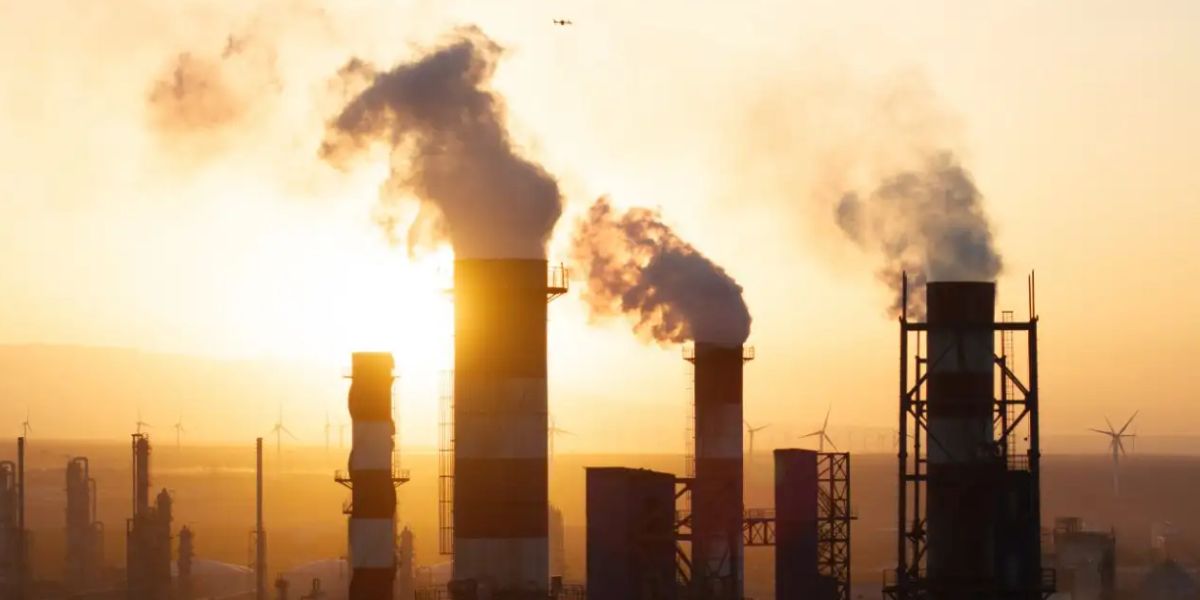
As climate change intensifies and governments tighten environmental regulations, carbon credits have emerged as a key tool in the global effort to reduce greenhouse gas emissions. Once a niche concept, carbon trading is now a multi-billion-dollar market involving corporations, governments, and financial institutions. Businesses across industries are increasingly integrating carbon strategies into their operations, making the concept more relevant than ever.
At its core, carbon trading attempts to balance economic growth with environmental responsibility. By assigning a financial value to emissions, it creates a system where reducing pollution is not just environmentally beneficial, but also economically rewarding. However, the concept remains complex, and understanding how it works is essential for evaluating its real-world impact.
What Are Carbon Credits?
A carbon credit represents the right to emit one metric ton of carbon dioxide (CO2) or its equivalent in other greenhouse gases. These credits are part of broader systems designed to limit overall emissions by putting a price on carbon.
The idea is straightforward: if a company reduces its emissions below a certain threshold, it can sell its unused credits. On the other hand, companies that exceed their limits must purchase additional credits to stay compliant. This creates a financial incentive for businesses to cut emissions where it is most cost-effective.
How Carbon Trading Works
Carbon trading operates through two primary systems: compliance markets and voluntary markets.
In compliance markets, governments set a cap on total emissions and allocate or auction credits to companies. Businesses must hold enough credits to match their emissions or face penalties. One of the most prominent examples is the European Union’s Emissions Trading System.
Voluntary markets function differently. Here, companies purchase credits independently to offset their emissions, often as part of sustainability or net-zero commitments. These credits are typically generated through environmental projects.
Why Businesses Buy Carbon Credits
Companies engage in carbon trading for both regulatory and strategic reasons.
For firms in regulated industries, purchasing credits is often mandatory to comply with emission limits. Non-compliance can result in fines and reputational damage. In voluntary markets, businesses use credits to enhance their environmental image and meet investor expectations around sustainability.
Carbon credits also act as a temporary solution for companies that cannot immediately reduce emissions due to technological or financial constraints. They provide breathing room while long-term solutions are developed.
The Role of Carbon Offset Projects
Carbon credits are generated through projects that reduce or remove emissions. These include renewable energy installations, reforestation efforts, methane capture, and energy efficiency initiatives.
Each project is verified to ensure that the reductions are genuine and measurable. However, concerns have been raised about the credibility of some projects, with critics pointing to cases where the environmental impact may be overstated.
Pricing and Market Dynamics
The price of carbon credits varies widely depending on market conditions and project quality. In regulated markets, prices are influenced by government policies and emission caps. In voluntary markets, pricing can differ significantly based on the perceived value of the project.
As climate policies become stricter worldwide, demand for carbon credits is expected to rise. This could push prices higher and encourage greater investment in emission-reduction projects.
Criticism and Challenges
Despite their benefits, carbon credits face several criticisms. Some argue that they allow companies to avoid making meaningful reductions by simply purchasing offsets.
There are also concerns about transparency and standardisation. Different markets and verification systems can make it difficult to assess the true value of a carbon credit. This has led to calls for stricter regulations and clearer guidelines.
The Future of Carbon Markets
Carbon markets are expected to play a larger role in global climate strategies. Governments are expanding emissions trading systems, and new technologies are being explored to improve transparency.
At the same time, there is increasing emphasis on direct emission reductions. Experts suggest that carbon credits should complement, not replace, efforts to cut emissions at the source.
Carbon credits offer a market-driven approach to tackling climate change, aligning financial incentives with environmental goals. While they are not a perfect solution, they remain an important part of the broader strategy to reduce global emissions.
As awareness grows and regulations evolve, understanding carbon credits will be essential for businesses, investors, and consumers navigating the transition to a low-carbon economy.